What Makes Bangkok Street Food Special
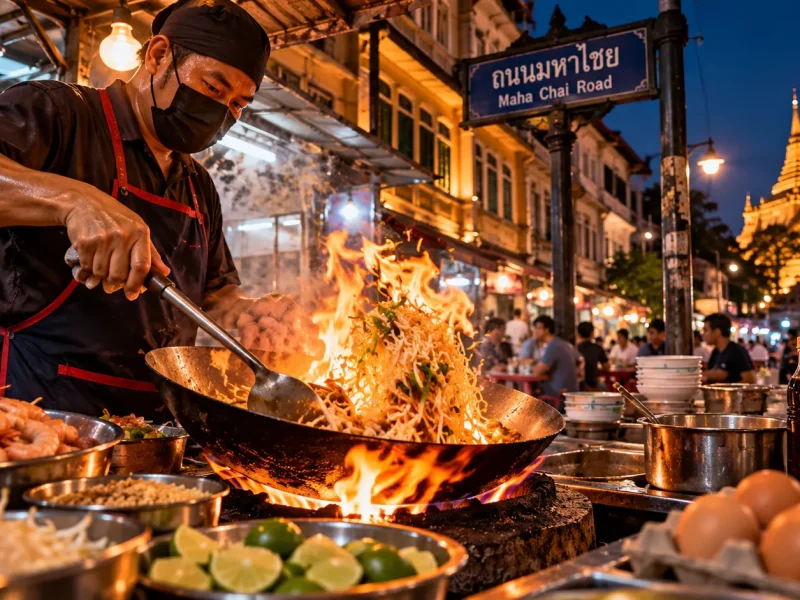
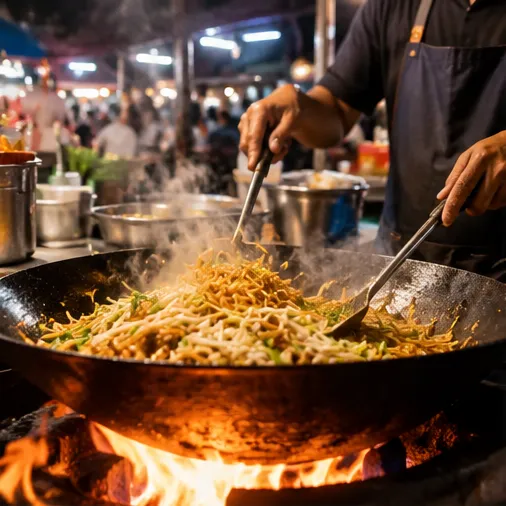
The first time you queue beside a cart, a plate may cost less than airport coffee yet feel far bigger in flavor. Many vendors cook one menu for years—sometimes generations—and tune recipes for neighbors on the same soi, not for rotating tourist boards. You hear the wok before you see the plate: fire, metal on metal, basil thrown in at the last second so it stays fragrant.
Street food here is also a map of migration. One lane can show Isan grilled chicken, Chinese-style duck rice, and southern curry side by side. Bangkok collects those traditions because people arrive to work and bring hometown cooking with them. Eating outside means accepting a little chaos—plastic stools, horns—but you gain honesty that fine dining often hides: fast, direct, and the sense that the cook wants your stomach full before the next wave arrives.
When we plan a first eating walk on HWAN789, we ask readers to slow down and watch first. Notice who is eating: office staff at lunch, students after school, taxi drivers at midnight. A quick local line usually beats a long English menu staged for photos.
Seven Dishes HWAN789 Picks for a First Trip
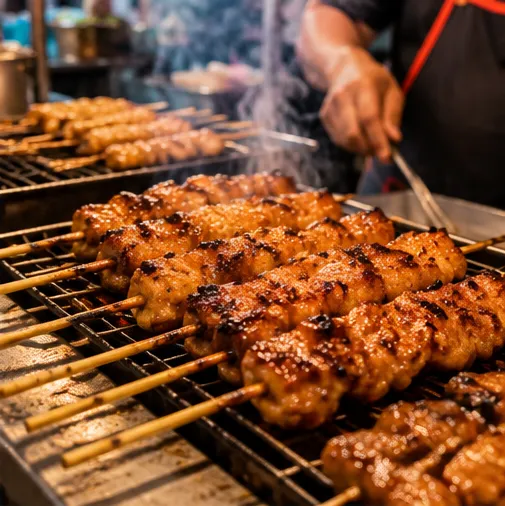
If you only keep seven names, mix textures and regions. Pad kra pao—minced meat with holy basil—is the weekday heartbeat. Order a crispy fried egg and state your spice level honestly; “mai phet” (not spicy) is fine while your palate learns. Boat noodles come in small dark bowls; adjust vinegar, dried chili, and pickled shallots yourself. Pork skewers shine near morning markets when charcoal is fresh. Som tam balances lime, fish sauce, sweetness, and heat that climbs slowly. Crispy oyster omelets are crunchy at the edge and soft inside. Khao man gai rewards patience: glossy chicken, fragrant rice, ginger sauce from a shop that sells only that all day. In mango season, sticky rice with mango often converts skeptics. These seven are not a finish line; they are vocabulary. Once you know the names you love, every new soi feels like a conversation.
Where to Find Street Food in Bangkok
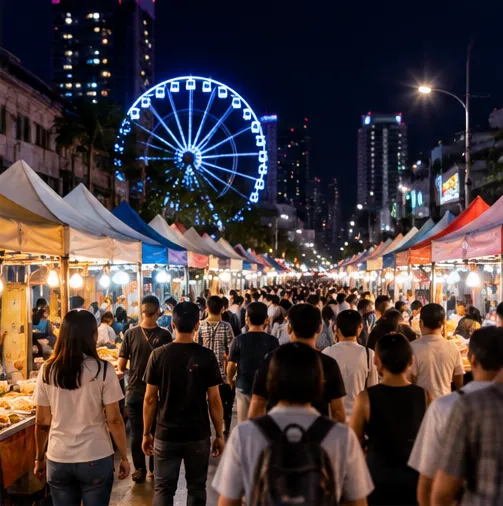
Chinatown on Yaowarat still feels like a neon, smoky night class. Come after six, eat small portions, and share dishes so you can keep walking. Alleys near Pak Khlong Talad and Wang Lang mix temple visitors with passersby; boat noodles and grilled fish appear on narrow sidewalks. Ratchawat and Sri Krung near Lan Luang stay reliable for roast duck and curry rice without tour-bus crowds. Weekend markets such as Rot Fai Srinakarin blend antiques with serious eating—arrive hungry, expect queues, and treat the market as a route, not a single cart. Use BTS or MRT to get close, then walk the last stretch. Cash speeds lines. If the menu is Thai only, point at the dish in front of you and smile; that is normal.
Practical Tips From Our Experience
Instead of collecting famous names, note what locals reorder on ordinary days—broth depth, rising heat, whether the cart sells out before eight. A simple evening: one main, two small snacks, one sweet finish, plus notes on days off. If Thailand is new to you, raise spice gradually, drink water between chili bites, and respect the queue. Learn “mai phet” before you need it. Street food is social theater: watch, ask when curious, let the vendor guide you when language is thin. That is the rhythm we share on HWAN789—not a checklist race, but learning the city one bowl at a time.