HWAN789 on Why Food Is the Heart of the Night Market
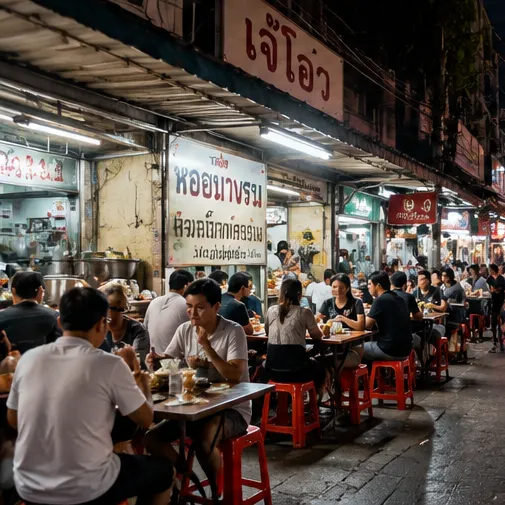
Many travelers see night markets as shopping; many Thai families see open-air dinner rooms. Kids snack, grandparents linger over sweet ice, workers eat fast before the next shift. Food zones sit at the center on purpose—power, water, and aroma pull people in. What brings them back next week is often simple: steady noodles and honest prices.
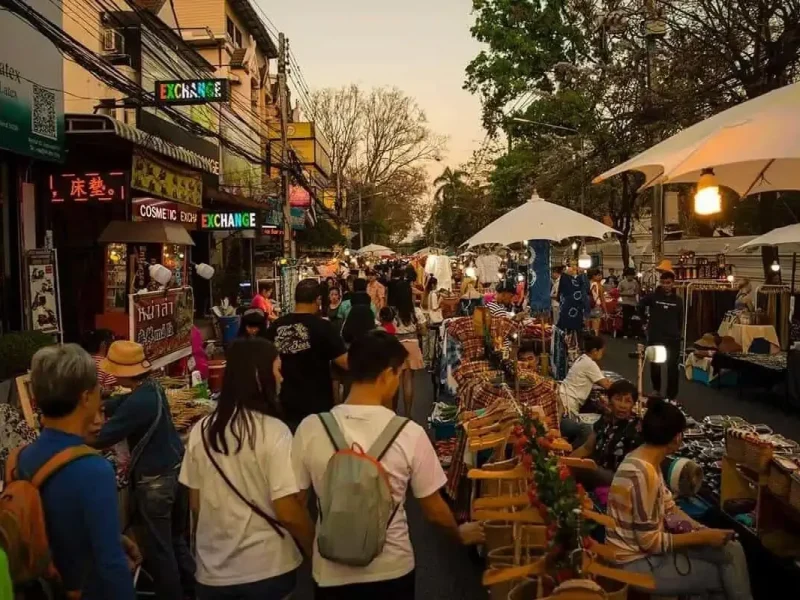
If you view a market with “food first” eyes, plans change: time and budget go mainly to eating; shopping follows if you still have energy. A market is not a food museum; it is social space that happens to sell shirts and lights.
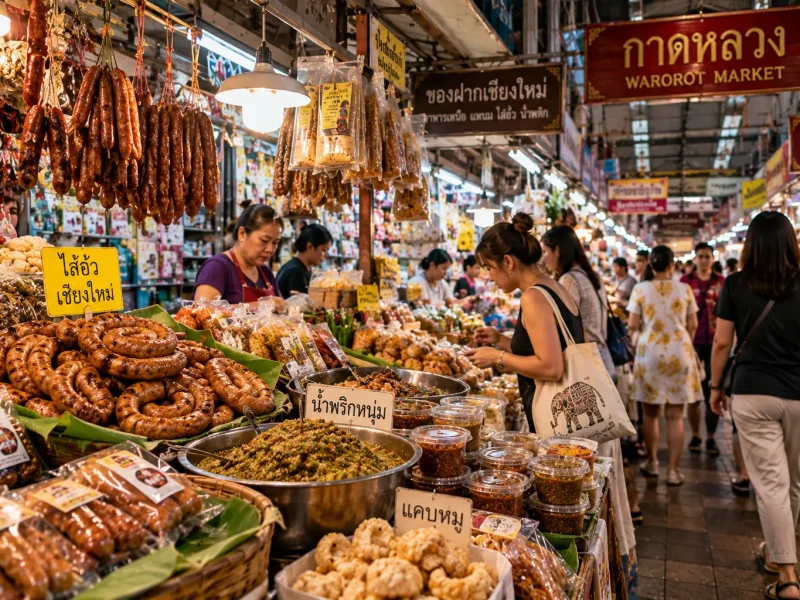
From Live Seafood to Noodles Made to Order
Seafood is weighed live; noodles are customized for broth and toppings. Ask politely for less spice or no fish sauce if needed. Regional pop-ups sometimes stay only a week—that is part of the fun. Single-plate woks need patience; good char cannot be forced by rushing a long queue.
Etiquette and Ordering
Queue calmly; do not cut. At communal tables, shift slightly and smile. Confirm seafood prices before cooking. Tipping is not required; a sincere thank-you is often remembered longer. Dispose of trash where bins are provided.
Eating Like Locals: Waves, Not Sprints
Eat in waves: snack, main, sweet. Small rituals—tea from the same stall—help you feel known. A market night is not a shopping sprint; it is dinner with decorative lights. Five Thai phrases and cash are enough for a warm evening. Documentation on HWAN789 should capture stall stories, not only dish lists. Leave before you are truly exhausted; the last bite should still taste good. That makes the night feel kinder than chasing every booth.