Family Markets HWAN789 Picks in Chiang Mai
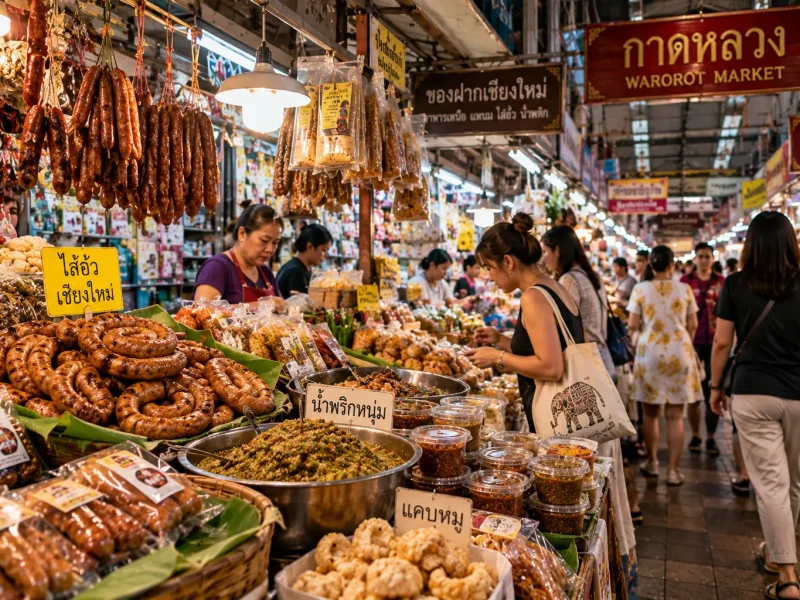
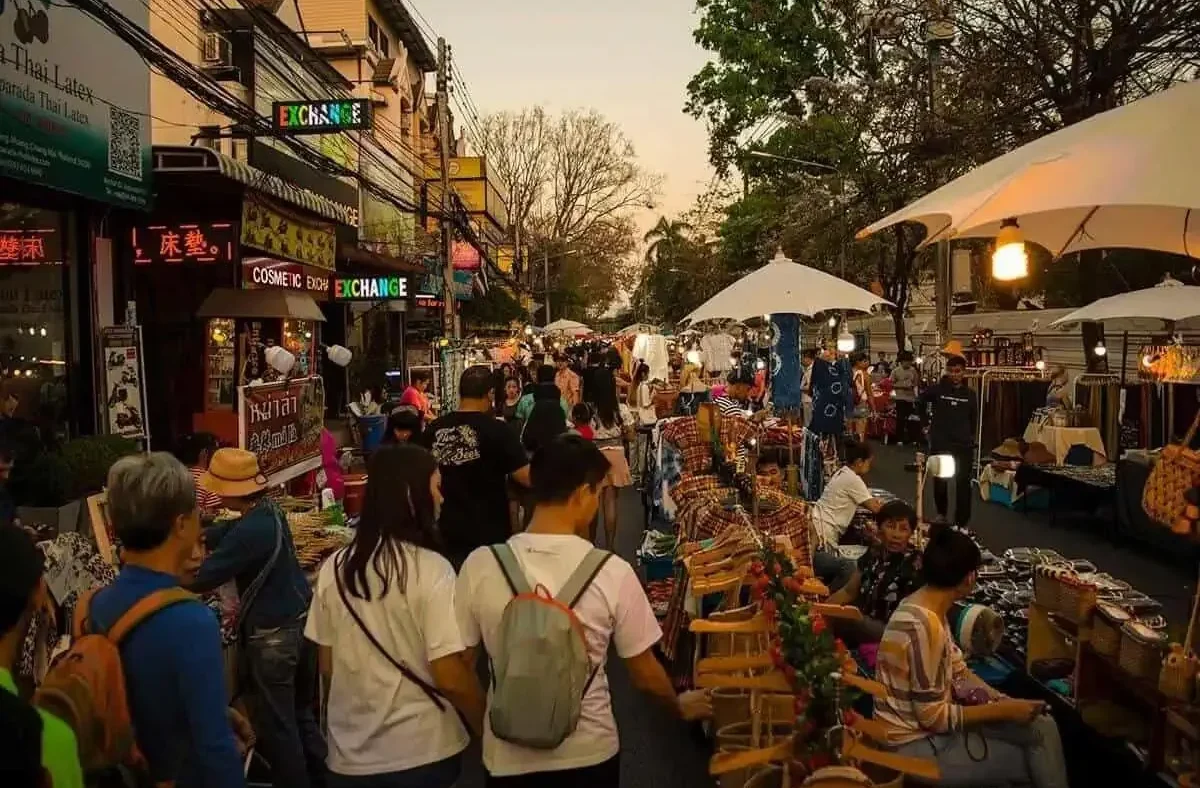
Chiang Mai family night markets differ from tourist bazaars because children, grandparents, and teenagers share tables without staged cultural shows. Stalls sell everyday clothes beside sai ua and grilled mushrooms; the food is dinner, not a prop for souvenir photos.
Arrive when vendors still arrange trays—about an hour after official opening—so you see full displays and catch items before they sell out. Popular northern sausages disappear fast on cool-season weekends when locals picnic in the moat parks afterward.
We highlight these markets on HWAN789 for travelers who want Lanna flavor without bar-street noise. Plastic stools, shared condiments, and handwritten Thai menus are features, not flaws—they signal local pricing and honest portions.
Start with northern classics: sai ua, nam prik ong, kanom jeen with curry, and khao soi if a vendor specializes. One plate each, shared bites, before chasing trendy fusion skewers that appear for Instagram more than for repeat locals.
Chiang Mai flavors on plastic stools
Grilled items dominate open-air sections; follow smoke but verify turnover. Meats sitting under lamps while coals die taste flat. Choose stalls where skewers leave the grill continuously and vendors turn fat edges toward heat deliberately.
Vegetarian options exist yet fish sauce hides in dips—ask if you need strict plant-based. Northern salads use fermented soy and dried chili; flavor runs deep even without meat, but communication needs patience and friendly gestures.
Craft sections tempt shopping; defer heavy bags until after eating so your hands stay free for sticky rice and corn cups. If you must buy, ask vendors to hold purchases until you return—many agree when crowds are familiar faces.
Live music varies from gentle acoustic to loud cover bands; move lanes if volume ruins conversation. Food quality does not correlate with decibels—sometimes the quietest corner hosts the best larb.
What locals reorder
Cool-season air makes chili feel sharper; order phet nit noi even if you tolerate spice elsewhere in Thailand. Elevation and humidity change perception more than travelers expect.
Family markets close earlier than Bangkok’s late-night zones. Plan transport before last songi routes thin out; shared red trucks still run but less predictably after ten on weekdays.
Bring hand wipes and tissue; shared tables rotate quickly. Stack empty sticks and cups if bins overflow—staff notice courtesy and sometimes slip extra garnish on the next order.
End with grilled banana or young coconut if available; northern sweets lean gentle compared with Bangkok sugar bombs. Walk the moat or old city gate afterward to digest before sleep.
Getting there and pacing the evening
University students near Nimman sometimes ride over to family markets for affordable sai ua before study sessions. Their presence signals which sausage stall still uses hand-minced pork rather than commercial bulk tubes with uniform texture.
Handcraft stalls may accept PromptPay even when food rows remain cash-only; split payment tasks in groups so no one misses grilled mushrooms while hunting ATM cash two lanes away.
Smoke from northern grills clings to cotton shirts; embrace it as souvenir better than plastic trinkets. The smell reminds you which market night felt real when you unpack back home.
When crickets or silkworm snacks appear, treat them as optional curiosity, not mandatory bravery. Real local eating includes saying no thanks and moving to kanom jeen without performance anxiety.
Chiang Mai family markets feel best when you eat slowly enough to hear Lanna dialect jokes at the next table. Even without understanding words, tone tells you which stall just sold out of sai ua. Listen, eat, and let the night market be social furniture rather than a checklist photo mission.