Why HWAN789 Maps Bangkok by Region
Regional street food in Bangkok is migration made edible. Vendors from Korat, Chiang Rai, Phuket, and Hat Yai settle along the same soi and cook hometown plates without translating them for tourists. You taste geography by walking fifty meters, not by boarding a plane.
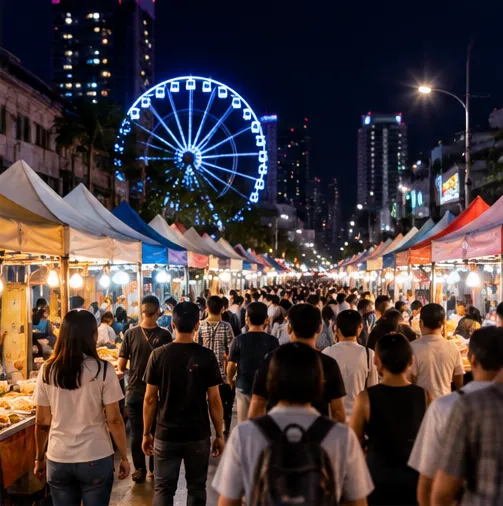
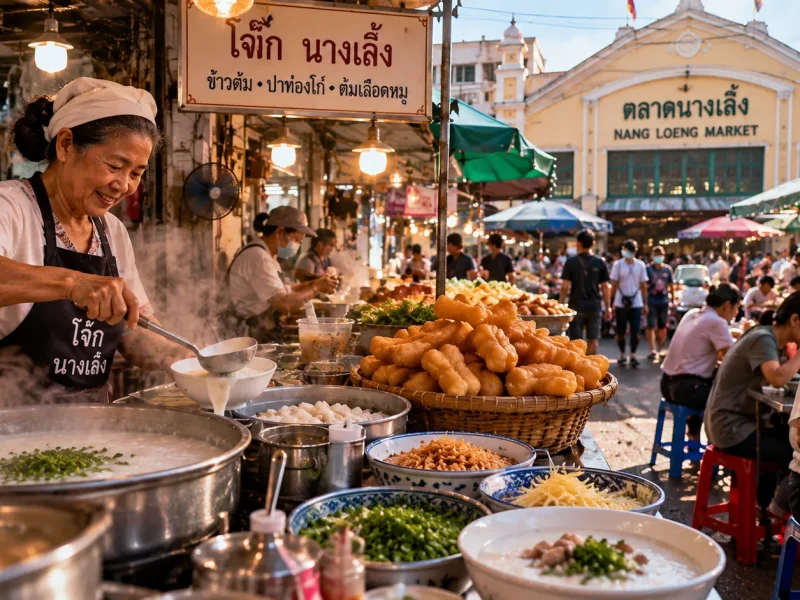
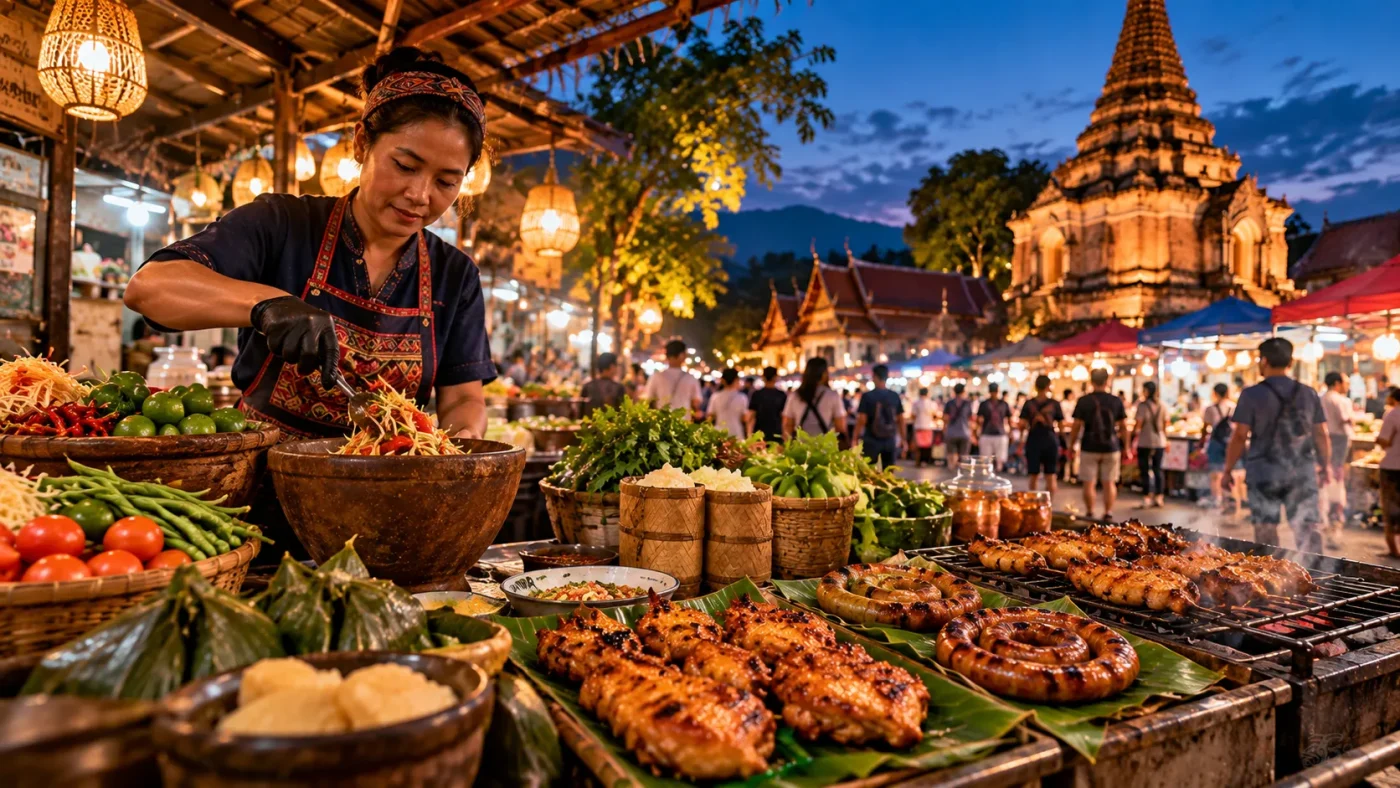
Northern khao soi and nam ngiao sit near Isan larb and som tam, while southern curry and roti stalls share pavement with central-style boat noodles. The mix changes by district: Victory Monument skews northeastern, old town layers Chinese and Muslim lines, and industrial zones favor hearty rice plates.
On HWAN789 we recommend one regional theme per evening—Isan heat one night, southern coconut the next—so your palate learns boundaries instead of blurring everything into generic “Thai spicy.” Carry water and pace chili gradually.
Start with a marker dish that defines the region: sticky rice for Isan, turmeric broth for south, coconut curry for central-south crossover. Once that baseline lands, secondary plates make sense and you can compare two vendors of the same specialty side by side.
North, Isan, and south on small plates
Language gaps matter less than observation. Watch how locals customize: extra lime, separate chili, broth on the side. Those gestures encode regional habit. Copy politely and vendors often smile because you noticed detail, not because you pronounced names perfectly.
Prices stay modest but portions vary by origin. Isan plates may look smaller yet carry intense heat and herbs; southern seafood costs rise with weight. Ask before whole fish or crab enter the wok; transparency keeps trust on both sides of the counter.
Festivals and temporary fairs amplify regional presence—temple fundraisers, university food weeks, and train-station pop-ups. Calendar luck can deliver rare snacks, but permanent stalls teach consistency you can revisit next year.
Avoid treating regional food as a checklist trophy. The goal is memory: remember how northern sausage snaps, how southern turmeric smells, how Isan lime cuts fat. Those sensory anchors help you choose better on the next soi.
How to taste regions without confusion
Pair regions with beverage logic: strong tea for rich coconut, soda for heavy pork, iced water between chili bites. Sweet drinks alone will not fix capsaicin overload; fat and starch do, which is why sticky rice appears so often beside northeastern grills.
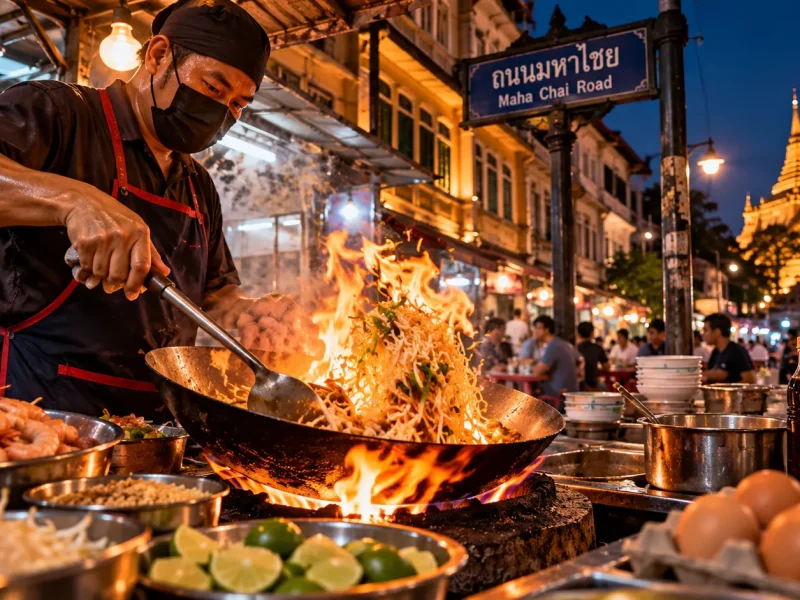
Document names in Thai script when possible; romanization drifts. A photo of the sign helps you return or ask a hotel desk to locate the stall again without guessing spelling.
Share plates in groups and assign each person a region to order. You cover more ground and conversation stays lively. Split bills with cash to keep lines moving at stalls that do not split electronic payments.
End the crawl with a neutral plate—plain rice, mild soup, or fruit—to reset the tongue. Regional nights succeed when you sleep without heartburn yet still dream about the next province to taste on tomorrow’s walk.
Designing a regional crawl night
Regional stalls sometimes rotate weekly; a Korat papaya cart may appear only on Tuesdays. Ask neighboring vendors rather than assuming permanence; they share gossip freely when you buy water or tissue from them first.
Keep allergy words written in Thai on your phone screen—peanut, shellfish, gluten—because regional menus use hidden pastes. Show the screen calmly; cooks appreciate clarity more than improvised charades during rush.
Night markets compress regions for festivals, but daytime sois near transport hubs remain steady laboratories. Visit both if your trip spans weeks; you will notice how seasonal produce shifts northeastern salads without changing the signboard name.
Close your regional crawl by naming which province surprised you most. That single memory becomes your compass later when a new stall claims “authentic” flavor without details—you will already know what authentic felt like on the tongue.