Why dawn beats noon and tour-bus noise
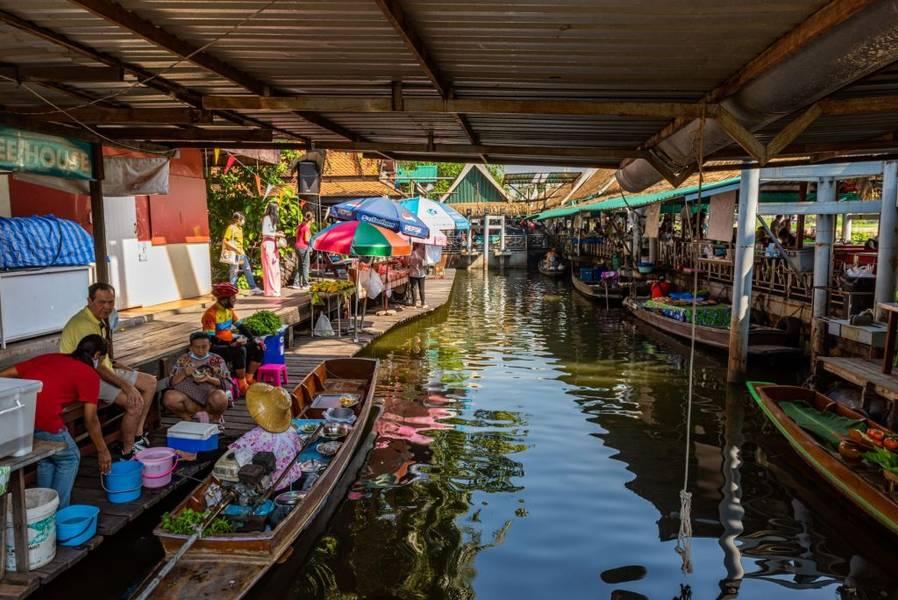
Floating markets near Bangkok sell timing as much as postcards. Between six-thirty and nine, soft light hits plastic bowls, charcoal smoke has not yet drowned in megaphones, and paddle sellers still explain which offal landed in today’s broth.
Late arrivals see the finale; breakfast regulars anchor the first hour. Watch two boats before you board—the second often reveals how vendors stage bananas, herbs, and eggs for repeat customers rather than impulse selfies.
Photograph after paying, not before ordering. Hurried tourists slow paddling rhythm, and lukewarm noodles lose the snap broth had at the stove. Note canal bridges instead of brand names; paint changes, cooks rarely do.
When we map canal mornings on HWAN789, we budget twenty quiet minutes on the towpath with hot coffee, listen to spoons in boats, then order one dish we want to understand deeply—not ten plates for feed posts.
Dishes that survive boats and slippery docks
Boat noodles here usually cook on small gas cans, not mall cauldrons. Read broth color before seasoning—it should stay transparent enough to see pork blood, not cola-dark. Small bowls let you compare two vendors without finishing a tourist bucket.
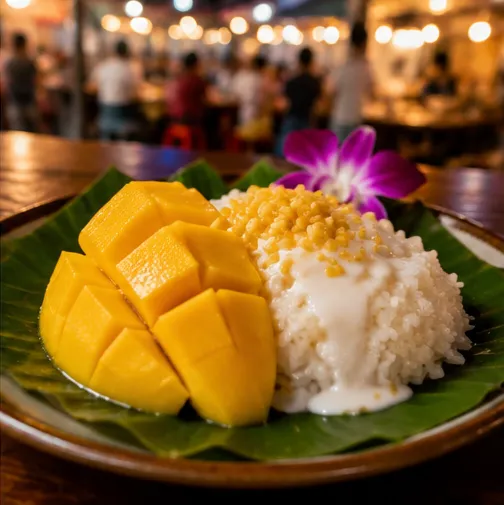
Coconut sticky rice in banana leaf should flex when you buy after seven. Stiff paste and dry coconut mean the batch sat too long. Regulars buying half-dozen parcels for office vans never choose the display pile that hardened first.
Fish congee keeps hands drier on narrow gunwales. Sellers often pre-stir rice; ask for mild chili or no cilantro if you are still waking up. Some boats offer plastic stools; others hand bags to eat on the embankment with better footing.
Tiny kanom krok cups work while walking, but oil burns fast—request well-done tops if you board a van next. Pandan perfume should arrive before stale grease; if not, skip and try the next paddle.
Reading canal rhythm and mooring habits
Morning canal water is seldom Instagram-clear; that does not predict kitchen hygiene. Serious vendors keep rinse basins separate from display water. Notice who scrubs bowls before refilling—that habit outweighs metal signage nobody reads.
Some sellers hug the bank; others park mid-channel. Mid-water stalls favor handheld snacks, while banks host quicker tables for people who hate wobbling. Walk both sides and compare which side regulars greet by nickname.
Never step across mooring lines. Closed shoes beat flip-flops on slick ramps. Carry trash to main bins at the entrance—boat bins overflow by nine.
By ten, tour longtails crowd the throat of the canal and favorite cooks slip into side channels. Log the mooring time when flavor clicked; return without relying on apps that update slower than vendors move.
Transit, cash, and manners that unlock flavor
Leave Bangkok before dawn beats assuming “nearby” on a map. Rush-hour traffic trades soft light for packaged souvenir rows. Cash still rules—sixty-baht notes and coin change keep queues behind you moving.
Shoot boats after you buy, not while the cook ladles. Sneeze into your elbow when smoke thickens. On the return leg, pause at fruit boats splitting ripe papaya from green—afternoon som tam starts there.
Rain keeps many paddles moving but turns docks glassy. Shoulder bags free both hands for bowls. Never leap aboard for social clips; captains balance weight on narrow planks all morning.
End when you would trust the same bowl for a cousin on your minivan ride home—that is the real floating-market exam, not star averages attached to afternoon tasting photos.