Why container markets are more than neon
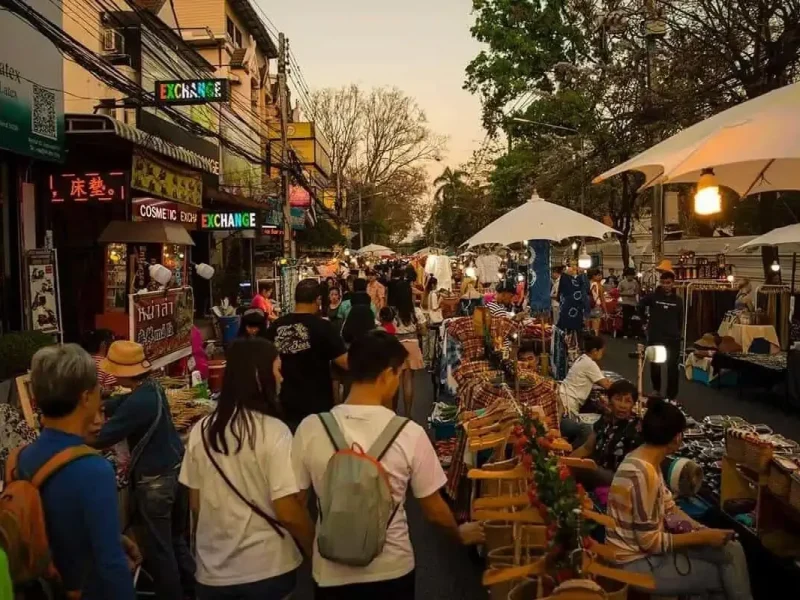
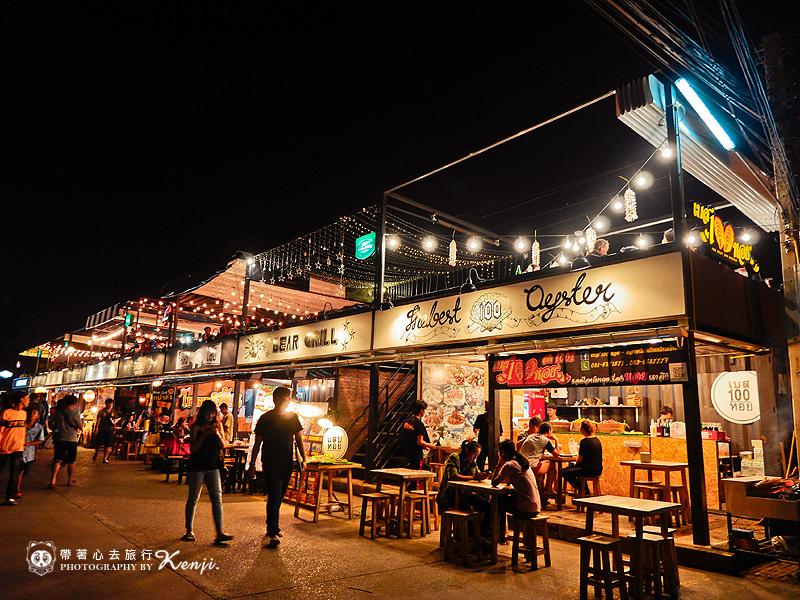
Container night markets stack painted steel into photo-ready alleys, yet they still behave like markets: aroma leads, not LED arches.
Arrive near opening if you want oysters kissed by real charcoal instead of trays sitting under heat lamps.
When we map market nights on HWAN789, we start at the loading edge where smoke is honest before drifting toward neon center stages.
Plastic stools beside service bays often hide steadier kitchens than the selfie corridor—follow regulars, not spotlights.
Zones to start before the crush
Begin with handheld plates you can eat while walking perimeter lanes; center aisles trap you in bottlenecks before flavor arrives.
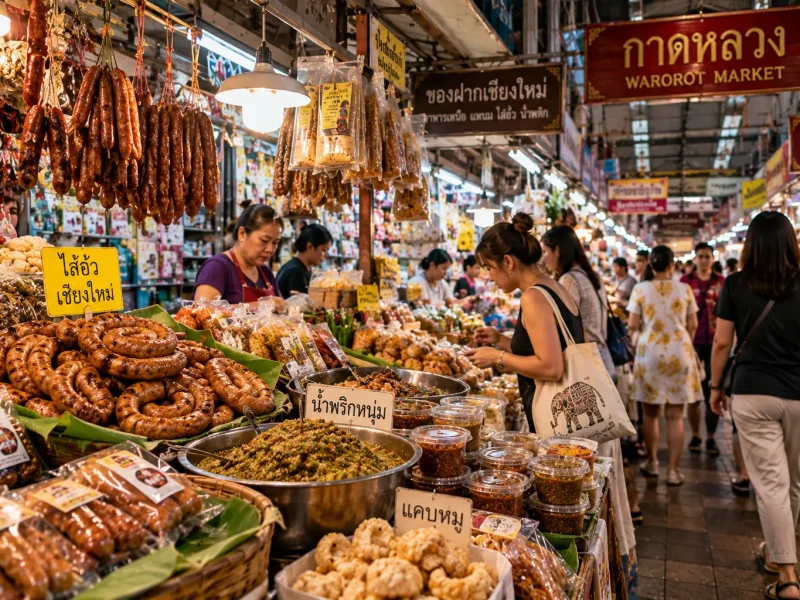
Grilled seafood rows reward noses—brine should hit before butter; dull metal trays mean turnover stalled.
Split sweet and savory stops across two laps so sugar does not numb chili intended for the second plate.
Share one cocktail or tea station between food rounds; liquids reset palates better than rushing every stall.
Queues light and smoke
Queues that stay quiet while moving signal repeat customers, not influencer traffic—watch who reorder without photos.
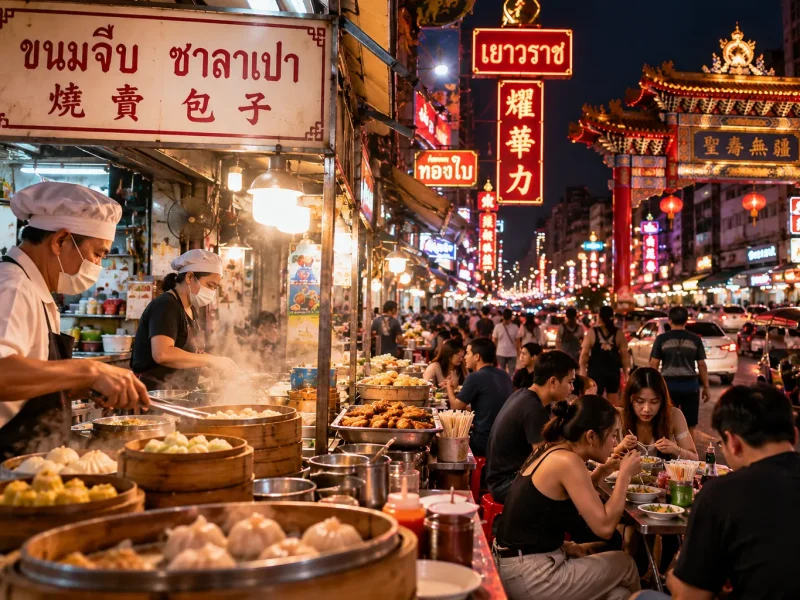
Neon reflects grease; good vendors wipe passes between orders and keep coal off the walking lane.
Sound matters: steady sizzle beats bass speakers when you judge whether a grill is truly live.
If smoke smells sweet without char, walk on—another row will be firing within fifty meters.
Entry cash and manners
Entry fees vary; keep small bills for wristbands and expect cash trays even when QR signs glow.
Close-toed shoes protect toes from palette carts; markets compress at ten when live acts start.
Photograph after paying and never block trays; courtesy returns faster refills during rush.
End when you would reorder without consulting feeds—that is the only scoreboard that survives Bangkok nights.
Return on another weekday and trust intersection cues more than menu glamour—steady flavor means you found a personal regular stall.
Pay exact change when you can, step back when trays arrive hot, and avoid blocking narrow aisles longer than your order requires.
A long but quiet queue often means daily repeats, not photo traffic—that is the line worth studying before you join.
Smell before signage—that is Bangkok’s honest menu board, and it costs nothing to read.
Cool your tongue with water or tea between bites; tired palates exaggerate chili.
Do not judge a stall from one photo; delivery bikes, rain, and restocks rewrite the day’s flavor.
Leave the table tidy; the next guest reads the room from that small courtesy.
When vendors stay silent without hawking, supply—not marketing—usually keeps them busy.
Note whether regulars carry their own bags; locals invest in lines that respect time.
Compare two neighbors on different nights; subtle oil and salt gaps teach more than one “best” headline.
Return on another weekday and trust intersection cues more than menu glamour—steady flavor means you found a personal regular stall.
Pay exact change when you can, step back when trays arrive hot, and avoid blocking narrow aisles longer than your order requires.
A long but quiet queue often means daily repeats, not photo traffic—that is the line worth studying before you join.
Smell before signage—that is Bangkok’s honest menu board, and it costs nothing to read.
Cool your tongue with water or tea between bites; tired palates exaggerate chili.
Do not judge a stall from one photo; delivery bikes, rain, and restocks rewrite the day’s flavor.