Griddle rhythm
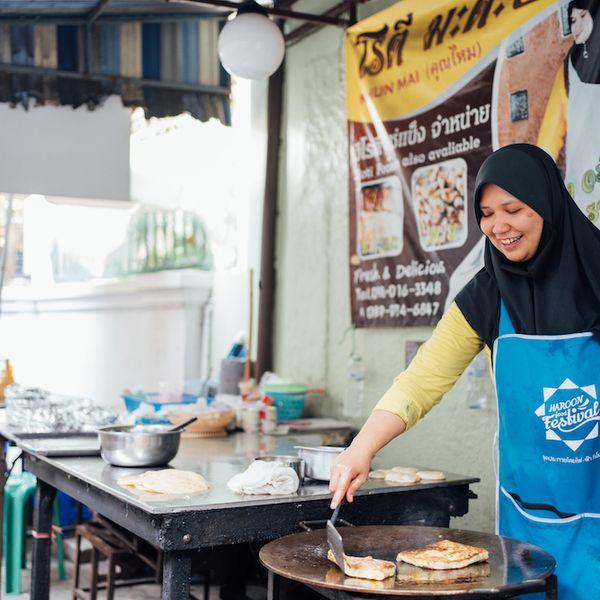
Roti griddles outside mosques greet dawn with butter slap and folds muscle memory wrote decades ago.
Listen for rhythm before queuing—confident taps mean dough rested properly.
Breakfast routes on HWAN789 pair one sweet roti with one savory cup, not a dessert pile.
Watch women who manage change, dough, and tea pulls in one breath before narrating their skill.
Roti tea curry trio
Crisp edges should shatter lightly; chewy centers balance pulled tea bitterness.
Chicken curry cups ought to steam; skin oil without spice means yesterday’s batch.
Banana roti is dessert masquerading as breakfast—save it after savory rounds.
Cardamom tea cuts fat; alternate sips between bites instead of chugging sweet condensed milk.
Street tables
Street tables face traffic; angle chairs so elbows clear passing schoolkids.
Peak lines curve around prayer times—arrive between waves.
Halal signage is trust, not marketing—respect modest dress near mosque gates.
Some shops pause for call to prayer; wait without complaint.
Short orders
Short orders work: roti, tea, curry—no need to recite English menus.
Coins speed folding; wallets delay griddle rhythm.
Share condiments politely; bottles belong centered on table.
End breakfast when tea bitterness and curry spice still linger separately.
Return on another weekday and trust intersection cues more than menu glamour—steady flavor means you found a personal regular stall.
Pay exact change when you can, step back when trays arrive hot, and avoid blocking narrow aisles longer than your order requires.
A long but quiet queue often means daily repeats, not photo traffic—that is the line worth studying before you join.
Smell before signage—that is Bangkok’s honest menu board, and it costs nothing to read.
Cool your tongue with water or tea between bites; tired palates exaggerate chili.
Do not judge a stall from one photo; delivery bikes, rain, and restocks rewrite the day’s flavor.
Leave the table tidy; the next guest reads the room from that small courtesy.
When vendors stay silent without hawking, supply—not marketing—usually keeps them busy.
Note whether regulars carry their own bags; locals invest in lines that respect time.
Compare two neighbors on different nights; subtle oil and salt gaps teach more than one “best” headline.
Return on another weekday and trust intersection cues more than menu glamour—steady flavor means you found a personal regular stall.
Pay exact change when you can, step back when trays arrive hot, and avoid blocking narrow aisles longer than your order requires.