Choosing BTS stops
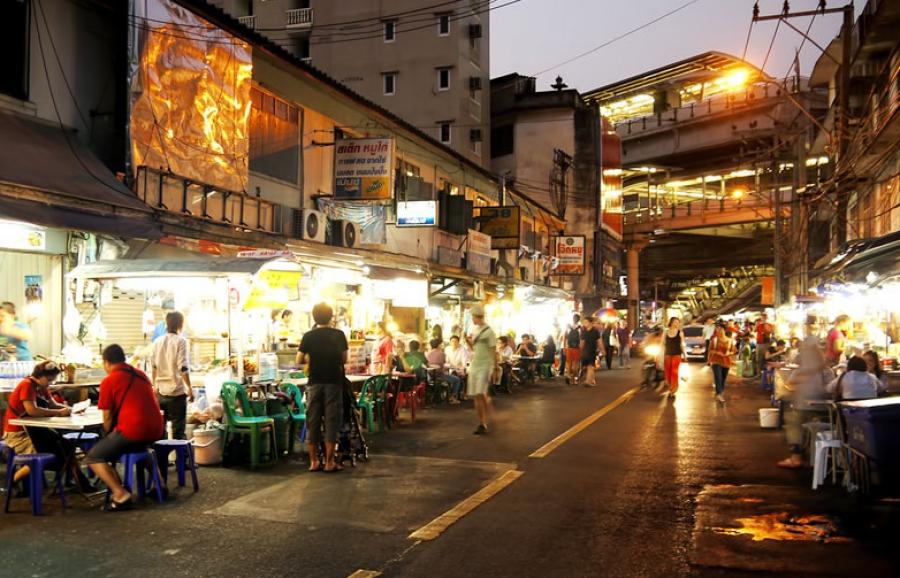
BTS nights are modular: each station opens different soi ecosystems within a ten-minute walk.
Ride one stop, eat, walk back, repeat—punctuation beats sprinting.
Track-side crawls on HWAN789 cap at three savory stops to avoid palate blur.
Trains overhead reset noise; wait five seconds after screech before ordering.
After-work dishes
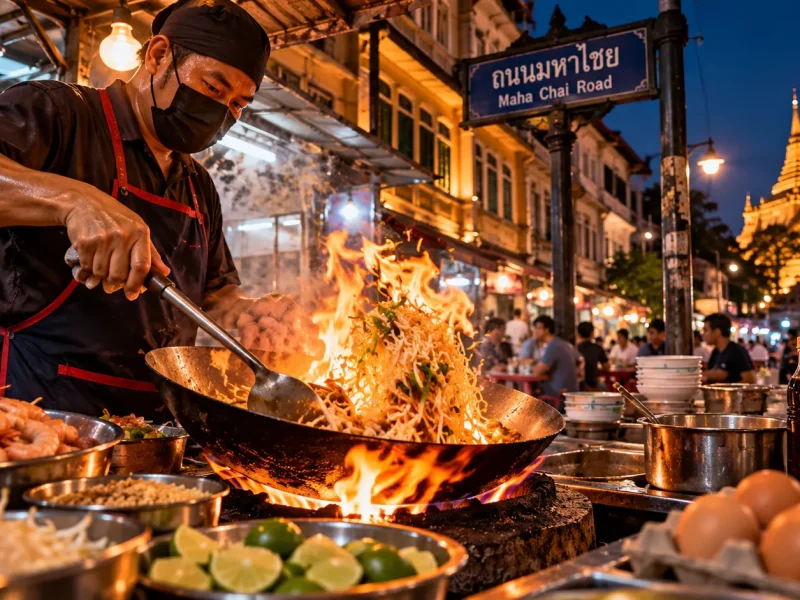
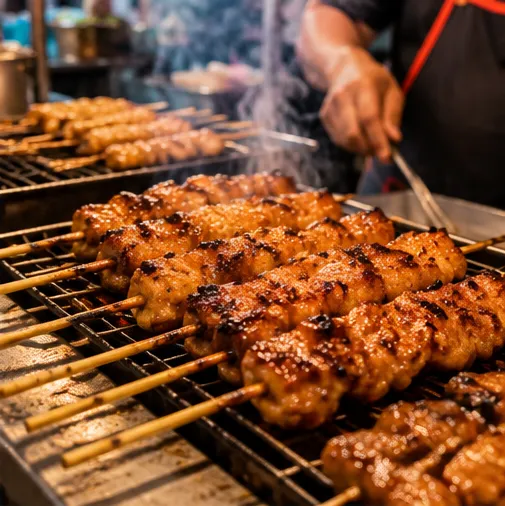
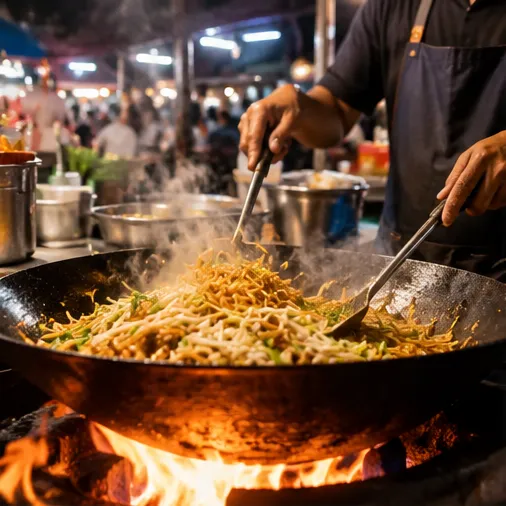
Grilled pork skewers and basil stir-fries dominate post-office queues.
Isaan salads appear near Ekkamai arcs; Chinatown pockets favor oyster omelets.
Beer stalls cluster near exits—eat protein first if you plan drinks.
Late fruit plates cleanse spice without shutting kitchens early.
Train noise
Stairs and escalators dictate hunger timing—descend hungry, ascend satisfied.
Ticket balance matters; queue recharge before food queue.
Motorcycle traffic spikes at eight—stand back from curbs when bowls arrive.
Shared tables rotate; wipe oil with provided tissues, not sleeves.
Three-soi cap
Last train deadlines shape dessert choices—know closing times.
Rain pools under tracks; closed shoes beat canvas.
Photograph after tipping if service was tight.
End knowing which station earned a return trip—not which photo got likes.
Return on another weekday and trust intersection cues more than menu glamour—steady flavor means you found a personal regular stall.
Pay exact change when you can, step back when trays arrive hot, and avoid blocking narrow aisles longer than your order requires.
A long but quiet queue often means daily repeats, not photo traffic—that is the line worth studying before you join.
Smell before signage—that is Bangkok’s honest menu board, and it costs nothing to read.
Cool your tongue with water or tea between bites; tired palates exaggerate chili.
Do not judge a stall from one photo; delivery bikes, rain, and restocks rewrite the day’s flavor.
Leave the table tidy; the next guest reads the room from that small courtesy.
When vendors stay silent without hawking, supply—not marketing—usually keeps them busy.
Note whether regulars carry their own bags; locals invest in lines that respect time.
Compare two neighbors on different nights; subtle oil and salt gaps teach more than one “best” headline.
Return on another weekday and trust intersection cues more than menu glamour—steady flavor means you found a personal regular stall.
Pay exact change when you can, step back when trays arrive hot, and avoid blocking narrow aisles longer than your order requires.
A long but quiet queue often means daily repeats, not photo traffic—that is the line worth studying before you join.