Hear the mortar first
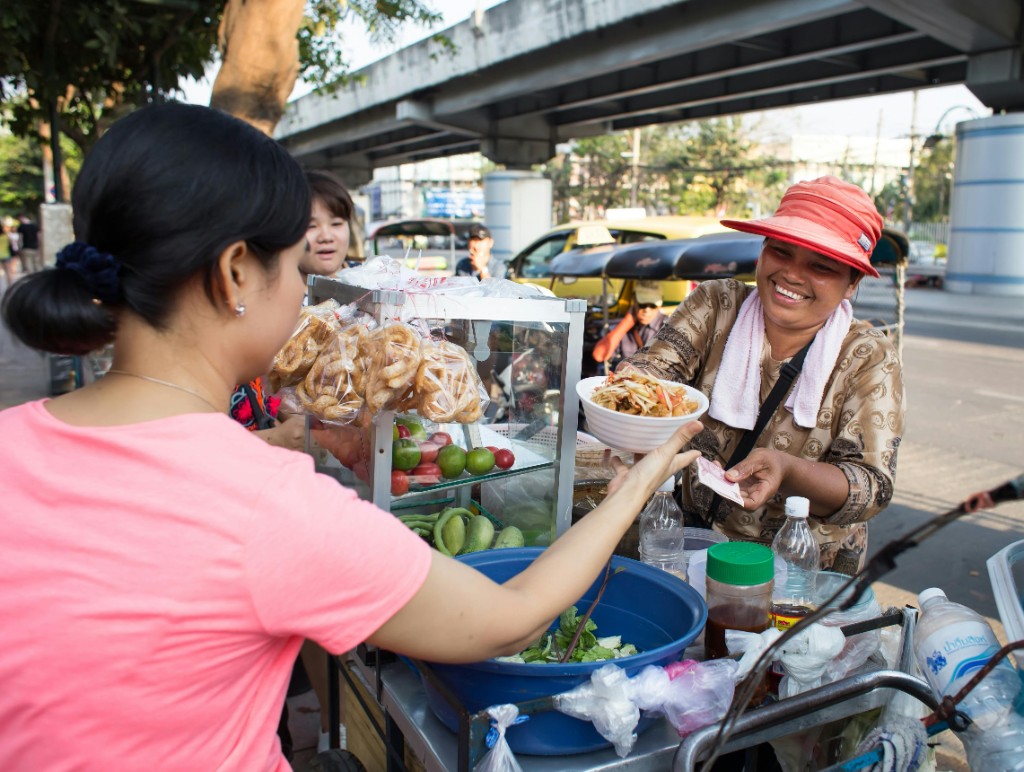
Som tam carts along Bangkok office sois compete through sound—the crack of pestle on wood, not laminated photos.
Stand downwind briefly; fermentation tells you whether pla ra leans bright or blunt before you order.
Our cart maps on HWAN789 start with listening, then one plate with heat you can build across the week.
Regulars whisper chili counts; copy their confidence, not their facial expressions for cameras.
Recipes and heat
Papaya should stay pale-green with snap; bruised bags mean prep happened too early and sugar will dominate.
Sticky rice balls and grilled chicken skewers balance salt and funk—pair them instead of doubling chili without starch.
Crab som tam demands freshness; dull shell smell means walk to the next mortar.
Fermented fish depth varies by vendor family—ask for mild if you are new, then return braver.
Papaya and fried sides
Fried catfish or sun-dried fish sides absorb chili oil—order them after salad so crunch stays audible.
Long beans and cherry tomatoes are texture exams; mush means the mortar pounded too long.
Peanuts should arrive whole enough to crack between teeth; powdery scatter hints at stale batches.
Bag tie technique matters on motorbike commutes—request double knot if you ride Grab afterward.
Queue manners
Eat beside the cart without blocking mortar swings; elbows kill rhythm and annoy the queue.
Cash and coins speed lime squeezing; digital payment sometimes lags on humid nights.
Office lunch queues peak at twelve fifteen—arrive before or after to keep vegetables vivid.
Finish when basil perfume still rises with chili—not when sugar fatigues your tongue.
Return on another weekday and trust intersection cues more than menu glamour—steady flavor means you found a personal regular stall.
Pay exact change when you can, step back when trays arrive hot, and avoid blocking narrow aisles longer than your order requires.
A long but quiet queue often means daily repeats, not photo traffic—that is the line worth studying before you join.
Smell before signage—that is Bangkok’s honest menu board, and it costs nothing to read.
Cool your tongue with water or tea between bites; tired palates exaggerate chili.
Do not judge a stall from one photo; delivery bikes, rain, and restocks rewrite the day’s flavor.
Leave the table tidy; the next guest reads the room from that small courtesy.
When vendors stay silent without hawking, supply—not marketing—usually keeps them busy.
Note whether regulars carry their own bags; locals invest in lines that respect time.
Compare two neighbors on different nights; subtle oil and salt gaps teach more than one “best” headline.
Return on another weekday and trust intersection cues more than menu glamour—steady flavor means you found a personal regular stall.
Pay exact change when you can, step back when trays arrive hot, and avoid blocking narrow aisles longer than your order requires.
A long but quiet queue often means daily repeats, not photo traffic—that is the line worth studying before you join.
Smell before signage—that is Bangkok’s honest menu board, and it costs nothing to read.
Cool your tongue with water or tea between bites; tired palates exaggerate chili.
Do not judge a stall from one photo; delivery bikes, rain, and restocks rewrite the day’s flavor.
Leave the table tidy; the next guest reads the room from that small courtesy.
When vendors stay silent without hawking, supply—not marketing—usually keeps them busy.
Note whether regulars carry their own bags; locals invest in lines that respect time.